Leading GIS Platform for Active Mines and Market Intelligence

Mining News

greenfield

Home » greenfield
Building Tomorrow: An Introduction to Mineralocity Aggregates

Building Tomorrow: An Introduction to Mineralocity Aggregates

Join us for an illuminating webinar that offers a glimpse into the future of the aggregates industry through Mineralocity Aggregates—your go-to platform for simplified market intelligence. Hosted by Burgex Mining Consultants, pioneers in sustainable and efficient aggregate solutions, this virtual event is designed to equip you with the tools and insights you need to thrive in this vital industry. Who should attend? Industry Professionals Consultants Suppliers to the Aggregate Industry[…]
read more...
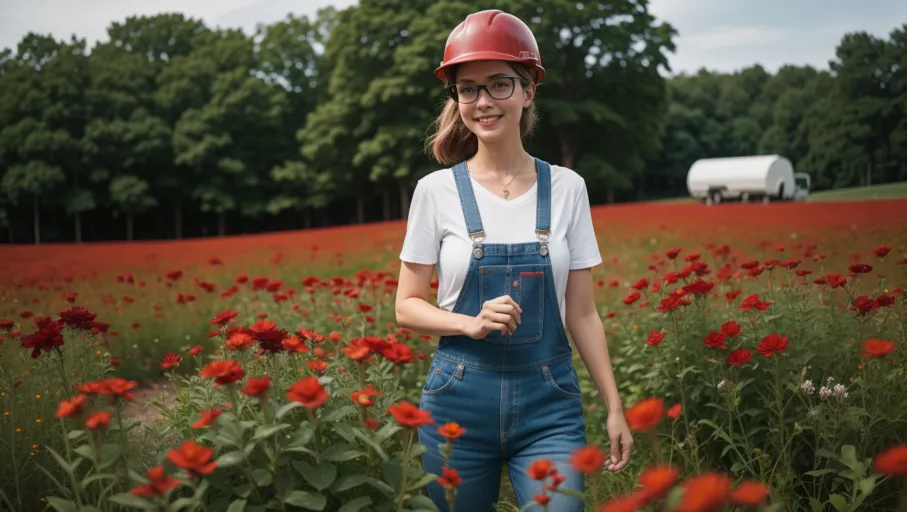
A female miner walks through a field of flowers, representing eco-friendly construction aggregate strategies.

Eco-friendly Quarrying: Green Practices for Greenfield Site Selection

In an era defined by rapid urbanization and increasing demand for infrastructure, the construction aggregate industry plays a pivotal role. However, as the need for raw materials grows, so does the importance of environmentally conscious quarrying. Implementing green practices in greenfield site selection not only benefits the environment but can also pave the way for operational efficiencies and an enhanced brand image. Let’s dive into the myriad of ways eco-friendly[…]

read more...
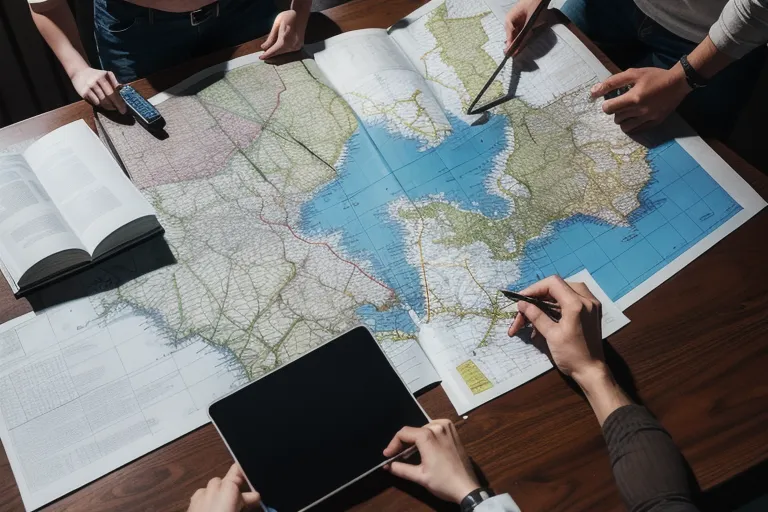
An image of hands pointing to a map, representing mining permitting agencies.

From Coast to Coast: Navigating Construction Aggregate Permitting in Every U.S. State

Embarking on a mining project demands a meticulous understanding of the permitting landscape. Each state in the U.S. has a designated primary agency overseeing the mining sector, ensuring that operations align with established environmental and safety standards. This guide presents a concise list of these central agencies for each state, accompanied by direct links to their websites for easy access. However, it’s crucial to bear in mind that while these[…]

read more...
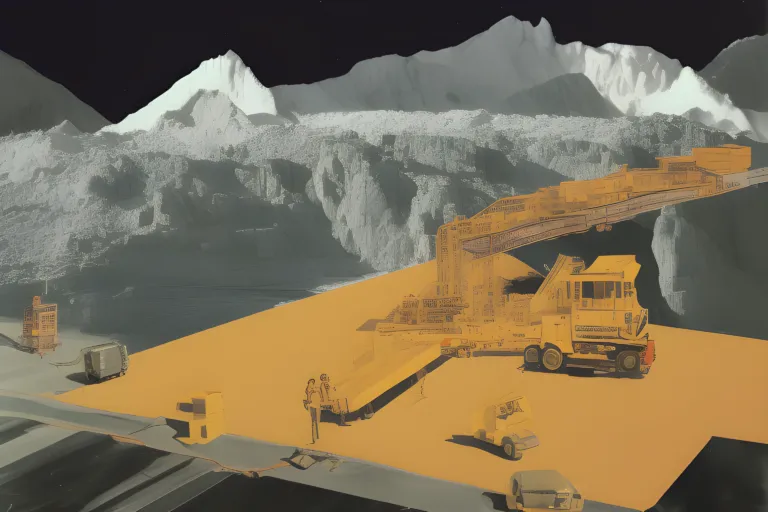
An artistic diagram of a mine site.

Land Requirements for Greenfield Aggregate Sites: Finding the Perfect Fit

When seeking to start a new aggregate operation, one of the first questions a potential operator will ask is, “How much land do I need?” It’s an essential query that determines the scale, longevity, and feasibility of the project. While the specifics of land requirements can vary based on numerous factors, understanding some benchmarks is a good starting point. Different Aggregate, Different Needs The type of aggregate you’re planning to[…]

read more...
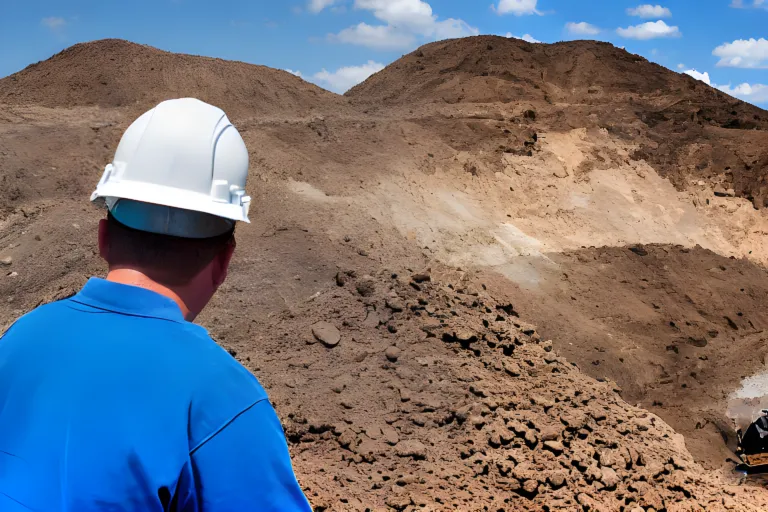
A man staring at a giant pile of dirt overburden from a construction aggregate site.

Unearthing Profits: The Inside Scoop on Managing Overburden

For those in the aggregate industry, the term “overburden” refers to the naturally occurring material that lies above the area of interest. While the valuable aggregates are the primary focus of any mining operation, overburden management is a critical aspect that often demands a significant portion of an operation’s budget and attention. According to a study by the U.S. Bureau of Mines, the average cost of overburden removal in the[…]

read more...
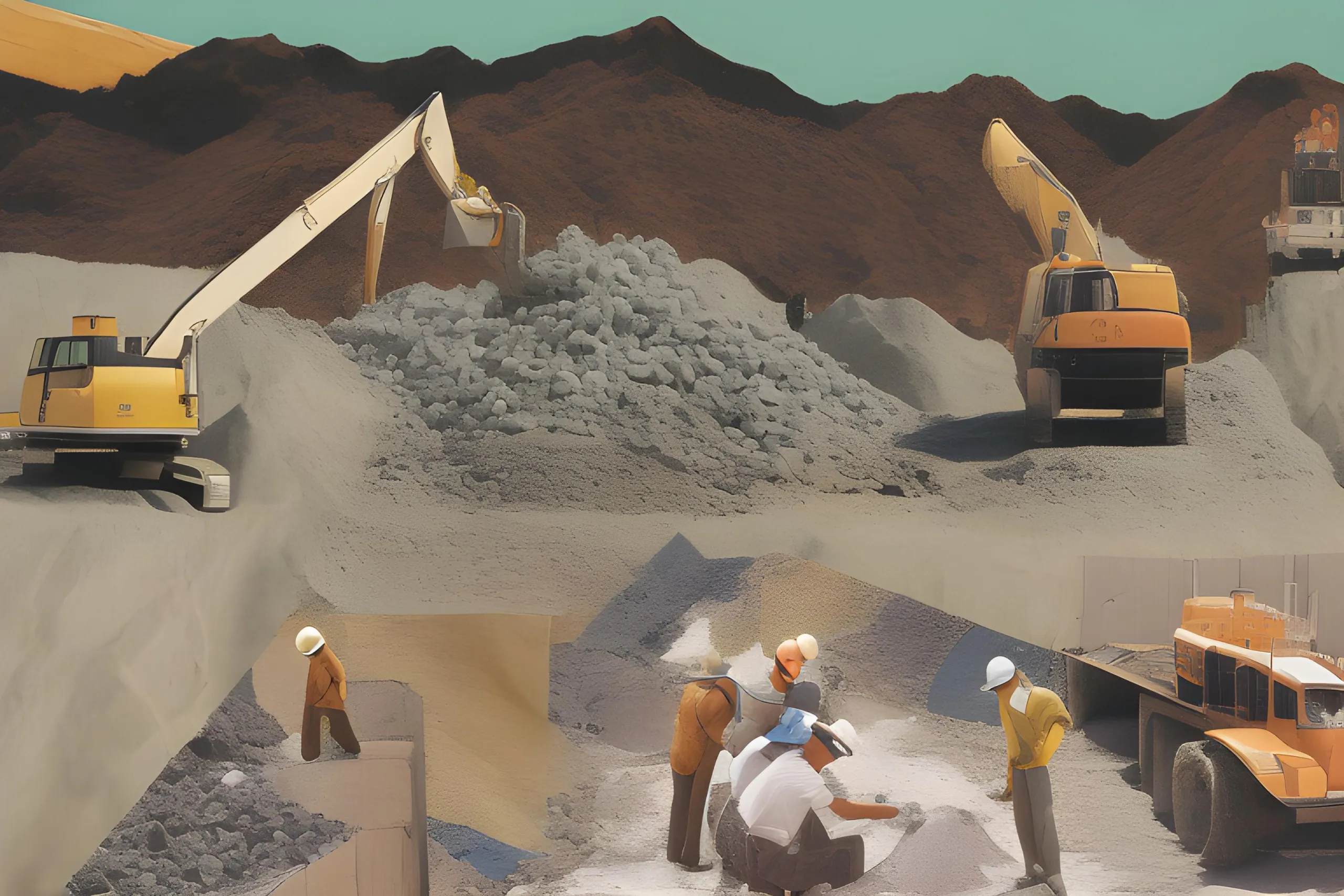
A collage of construction aggregate equipment and miners

Digging Deep: Tactics for Enhancing Your Current Aggregate Production

In the realm of construction aggregates, producers are constantly on the lookout for strategies to optimize production, reduce costs, and maintain quality. While establishing new sites can bring about fresh opportunities, there’s also great potential lurking beneath existing operations. By “digging deep” into your current site, you can unearth ways to enhance production and ensure the longevity of your operations. Here’s how: 1. Optimal Equipment Utilization Optimal equipment utilization is[…]

read more...
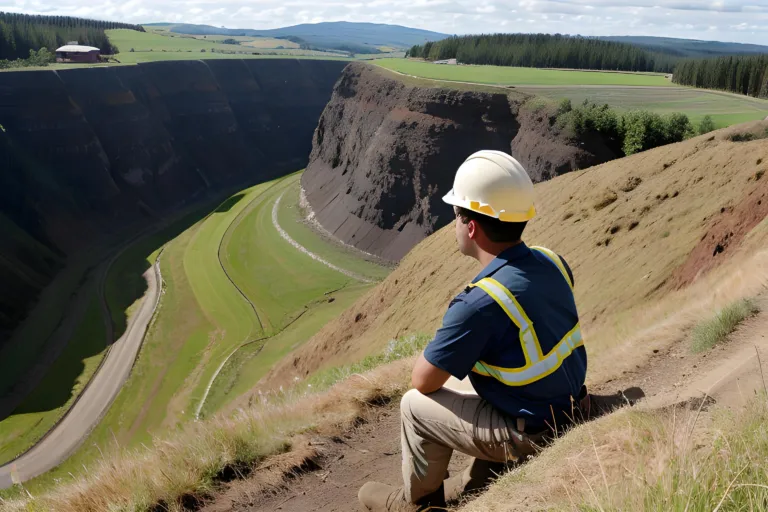
A mining engineers overlooks a potential greenfield aggregate mining location.

Mapping Potential: A Guide to Evaluating Usable Acreage for Greenfield Aggregate Sites

Whether you’re an established aggregate producer looking to expand, or an entrepreneur venturing into the industry, discovering and evaluating greenfield sites for their usable acreage is a critical step in growing your aggregate business. Greenfield sites—those lands untouched by previous mining—are potential goldmines. But unlocking their potential calls for a systematic and strategic approach. Let’s explore the step-by-step process of how to determine the usable acreage of a greenfield site[…]

read more...
The 5 Key Benefits of Mineralocity Aggregates

The 5 Key Benefits of Mineralocity Aggregates

Mineralocity Aggregates, our dynamic and versatile platform, is equipped with a plethora of features designed to elevate your operations. To get you started, here’s a curated list of the most beneficial functionalities that truly set it apart. 1) Wealth of Market Knowledge: The robust Mineralocity Aggregates platform provides clients with a vast range of market intelligence and knowledge, granting them access to insights that may not otherwise be available within[…]

read more...
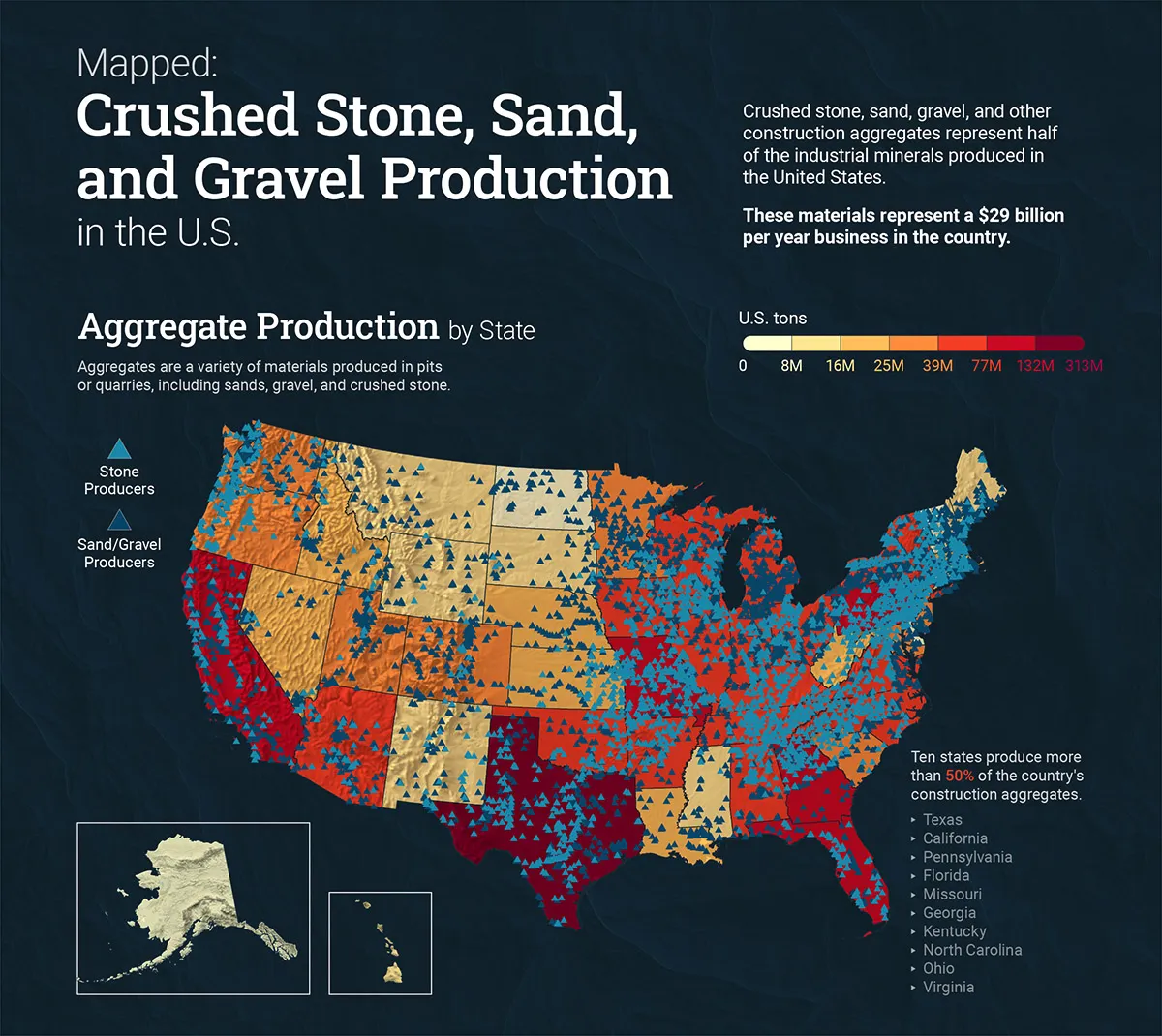
Crushed Stone, Sand and Gravel Production

Mapped: Crushed Stone, Sand, and Gravel Production

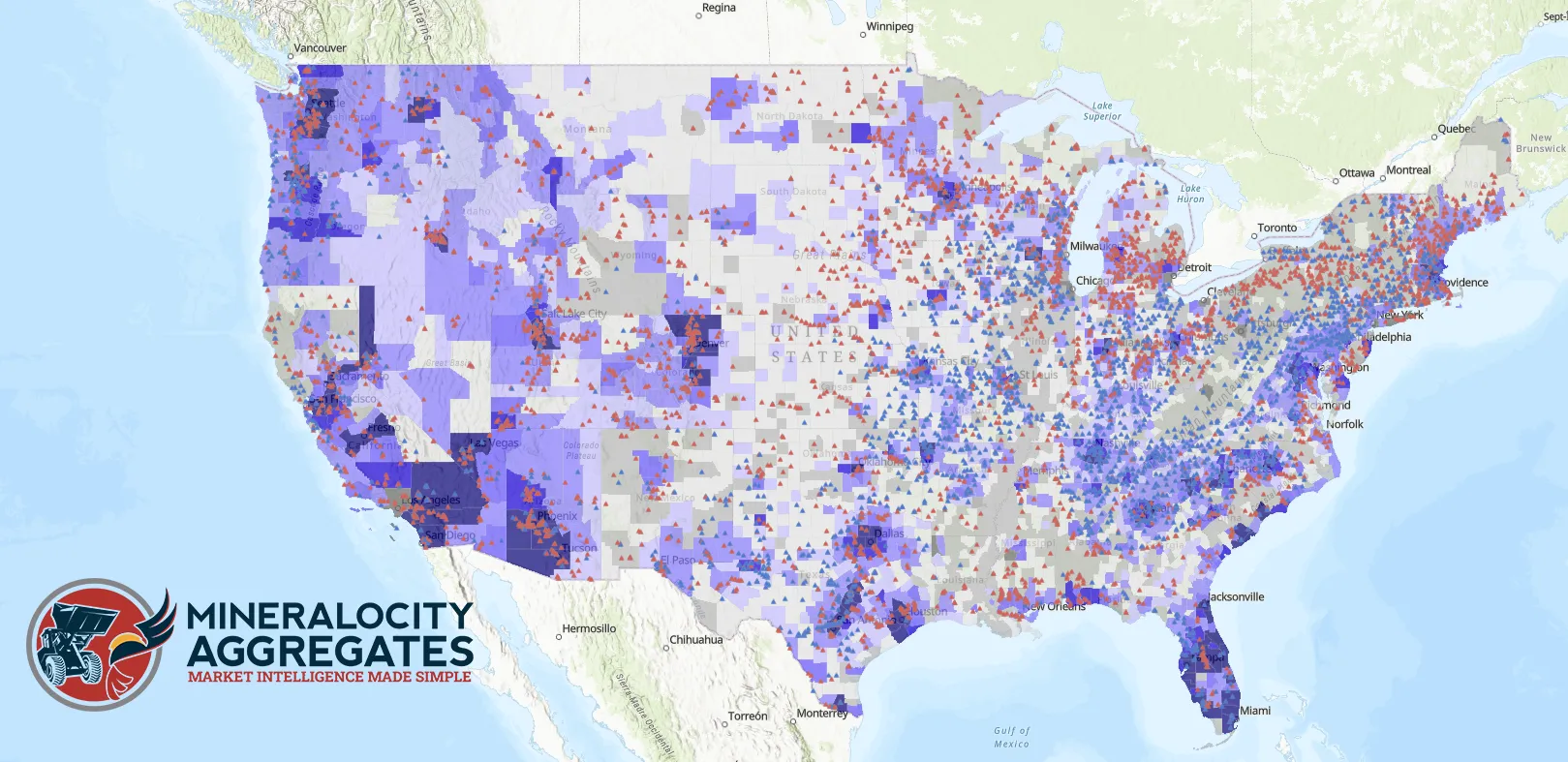
Crushed stone, sand, gravel, and other construction aggregates account for half of the industrial minerals produced in the United States. These materials represent a $29 billion per year business in the country. The map above from our sponsor Burgex uses data from Mineralocity to show where aggregates are produced in America. What Are Aggregate Minerals? Aggregates are a variety of materials produced in pits or quarries, including sands, gravel, and crushed stone. They are[…]

read more...
February Newsletter: How a Mining Engineer uses Mineralocity

February Newsletter: How a Mining Engineer uses Mineralocity

Q&A with Tyler Peck, a Mining Engineer at Burgex Q: What is your role at Burgex? I am a mining engineer, specifically within the consulting group. I started my career seven years ago doing mining engineering work in the construction aggregate space and have been at Burgex for more than three years. Q: What types of projects do you typically work on? Mine design, and mine planning such as mine/site[…]

read more...